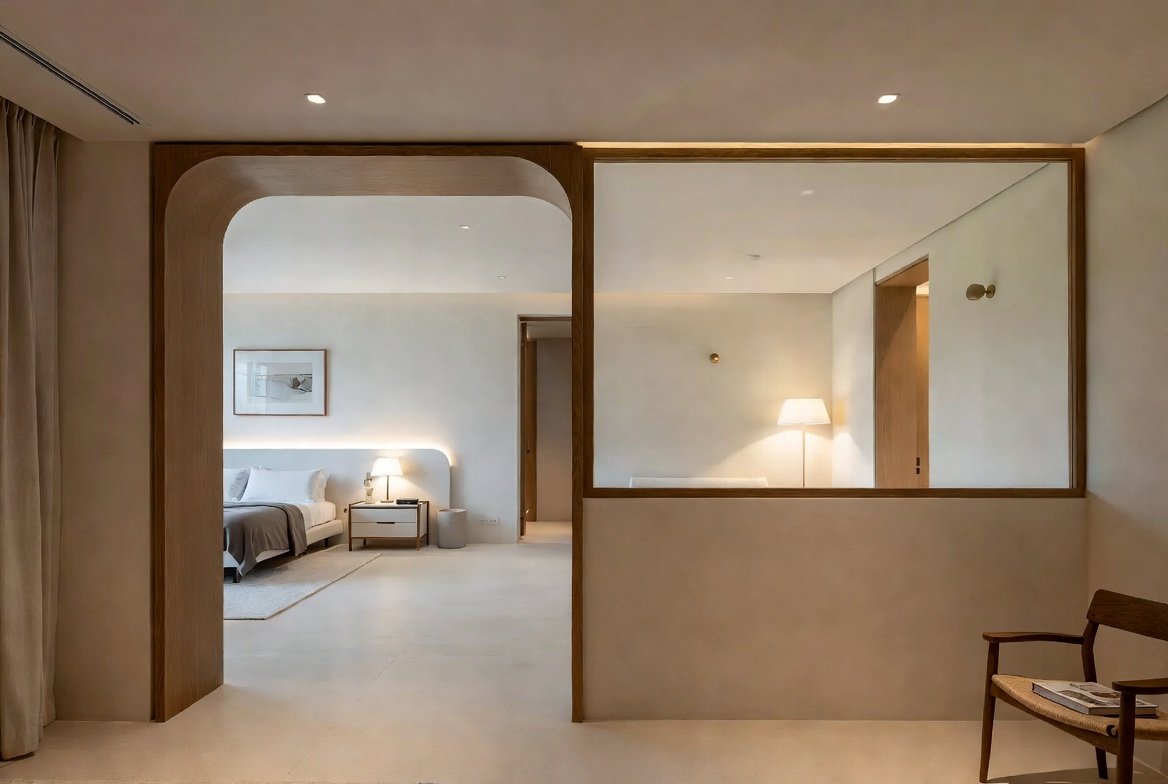
Privacy as Infrastructure: The Architecture of a Serious Home
How elevated households design spaces, boundaries, and protocols that protect the life inside
The Boundary That Nobody Sees
Walk into certain homes and you notice something that has nothing to do with decor. There is a boundary. Not a physical one. A behavioural one. The household operates with a layer of separation between what is internal and what is visible to the outside world.
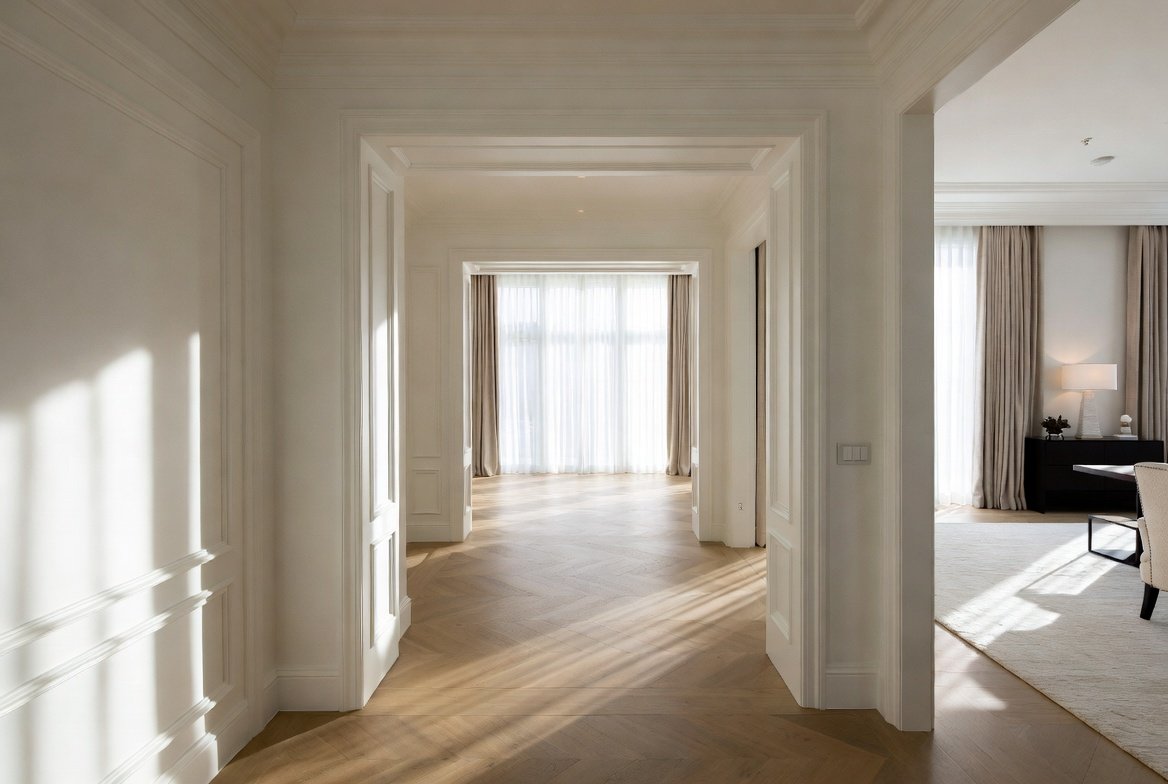
Guests are received warmly but in specific zones. Household staff move through defined areas. Children have spaces that are distinct from entertaining spaces. Financial conversations happen in private. And the architecture of the home, both physical and social, supports all of this without anyone announcing it.
This is privacy as infrastructure. Not secrecy. Not paranoia. A designed boundary between the life of the household and the environments it interacts with.
Why Privacy Becomes More Important as Visibility Increases
For most families, privacy is simply the default state. Nobody is particularly interested in their domestic arrangements. But as professional stature, social standing, or wealth increases, that default erodes. People become curious. Extended family members develop opinions. Domestic staff share observations. Social media creates a surface-level transparency that did not exist a generation ago.
At a certain point, privacy is no longer automatic. It must be designed. And the families that design it well tend to be the ones that endure public life with the least friction.
Designing privacy does not mean becoming secretive. It means deciding what is shared, with whom, through which channels, and on what timeline. It is editorial control applied to domestic life.
The Physical Layer
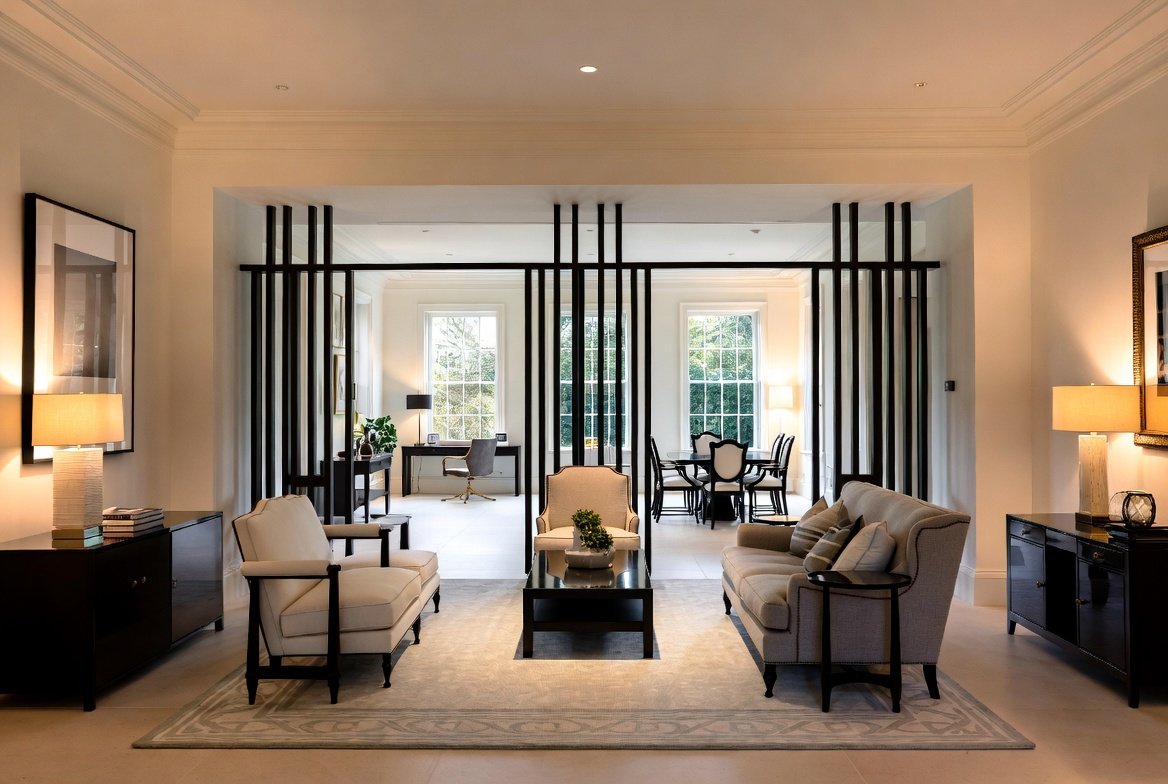
The architecture of a home either supports or undermines privacy. Open-plan living, while aesthetically fashionable, is structurally hostile to privacy. It works for small families with simple lives. It does not work for households that host frequently, employ staff, manage extended family dynamics, or need spaces for private conversation.
The physical layer of privacy includes entry protocols, how guests move through the home. It includes dedicated office or study spaces that signal unavailability. It includes separate zones for children, for staff, for entertaining, and for private family time.
In older homes, this was built into the architecture itself. Drawing rooms, sitting rooms, private quarters, the sequence was designed. Modern homes often lack this layering, and the household must impose it through furniture arrangement, timing, and social cues.

The Information Layer
Beyond physical space, privacy requires information governance. What family matters are discussed in front of staff. What details children are exposed to regarding finances or disagreements. How visitors are briefed or not briefed about household dynamics.
Families that handle this poorly tend to have porous information environments. Staff know more than they should. Children pick up fragments of adult conversations that they cannot contextualise. Guests leave with impressions that the household did not intend to create.
The correction is not silence. It is intentionality. Deciding, as a household, what the default information posture is. What is open. What is held. What is shared only between specific people. These decisions, once made and communicated clearly, prevent a remarkable amount of the social friction that destabilises complex households.
Privacy as a Standard, Not a Reaction
The households that manage privacy most effectively are the ones that do not wait for a breach to establish protocols. They build the infrastructure before it is needed. The boundaries are in place when the household is calm, not erected in panic when something goes wrong.
This is the fundamental difference between reactive privacy and structural privacy. Reactive privacy is damage control. Structural privacy is institutional design. And like all institutional design, it works best when it is invisible, operating quietly, protecting the life inside without anyone needing to think about it.
Ayrelis: Privacy Architecture & Household DesignAyrelis works with household leaders to design privacy as permanent infrastructure: physical layouts, information protocols, and social boundaries that protect family life at scale. Structure prevents crisis. Ayrelis builds the structure. Visit ayrelis.com |