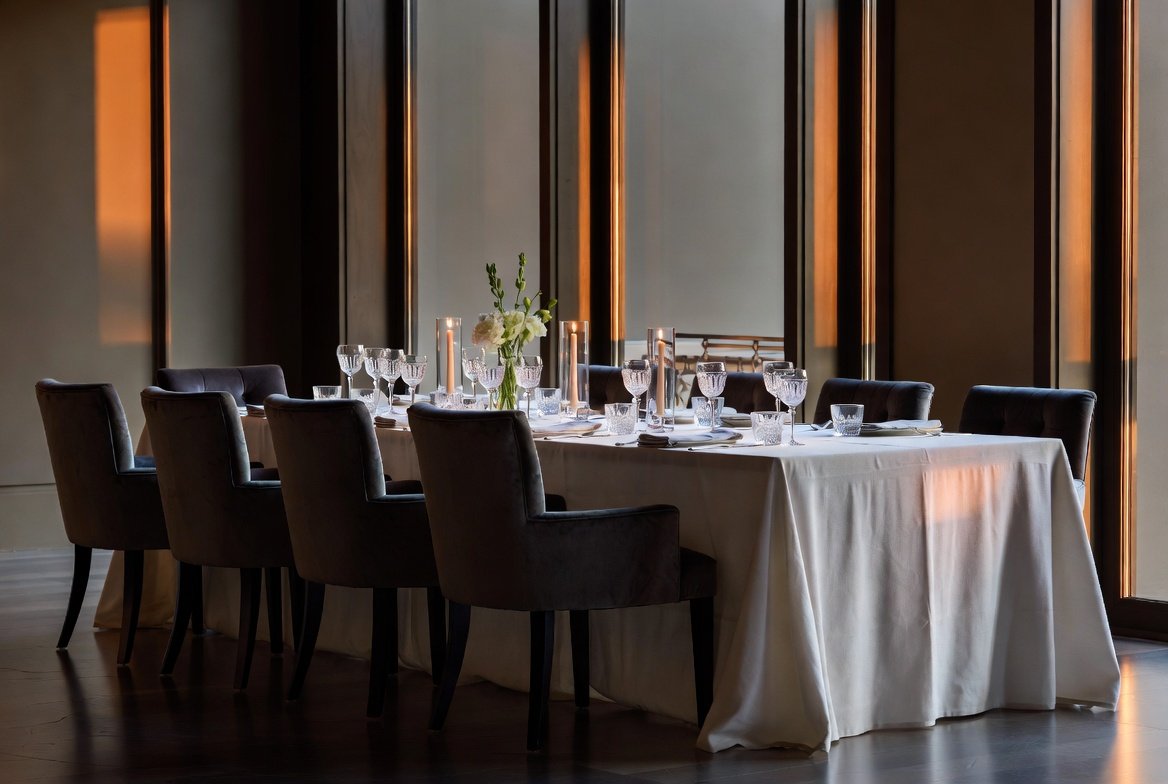
Hosting Without Performance: The Art of Restrained Hospitality
Why the most memorable hosts are the ones who make the evening feel effortless
The Dinner You Remember Differently
Think of the best evening you have spent at someone else’s home. Not the most expensive. Not the one with the most impressive menu or the most important guest list. The one you remember with a particular kind of warmth.
Chances are, the host did not draw attention to the effort. The food arrived without ceremony. The seating felt considered but not forced. Conversations moved naturally because the environment allowed them to. And at some point during the evening, you stopped noticing the hosting altogether. That is when the evening became memorable.
Restrained hospitality is hospitality that disappears into the experience. The host is present but not performing. The home is prepared but not staged. The effort is substantial but invisible.
The Mistake of Hosting as Display
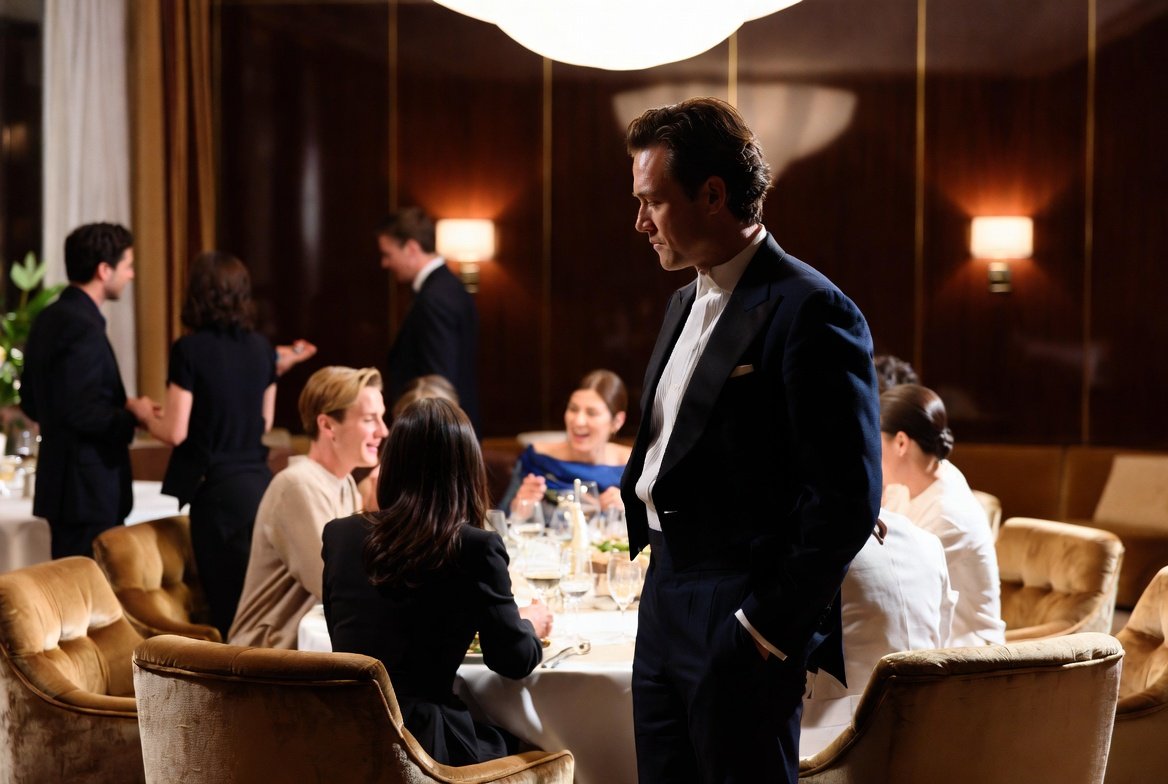
In certain circles, hosting has become a performance. The table is designed for photographs. The menu is ambitious beyond what the kitchen can comfortably deliver. The guest list is curated for social signalling. And the host spends the evening managing logistics rather than being present in the room.
The result is technically impressive and emotionally flat. Guests leave having admired the effort but not having connected with the household. The hosting served the host’s reputation rather than the guest’s experience.
This is not a problem of resources. It is a problem of orientation. The host who asks, what will impress my guests, and the host who asks, what will make my guests comfortable, will create entirely different evenings from the same budget, the same home, and the same guest list.
The Infrastructure of a Good Evening
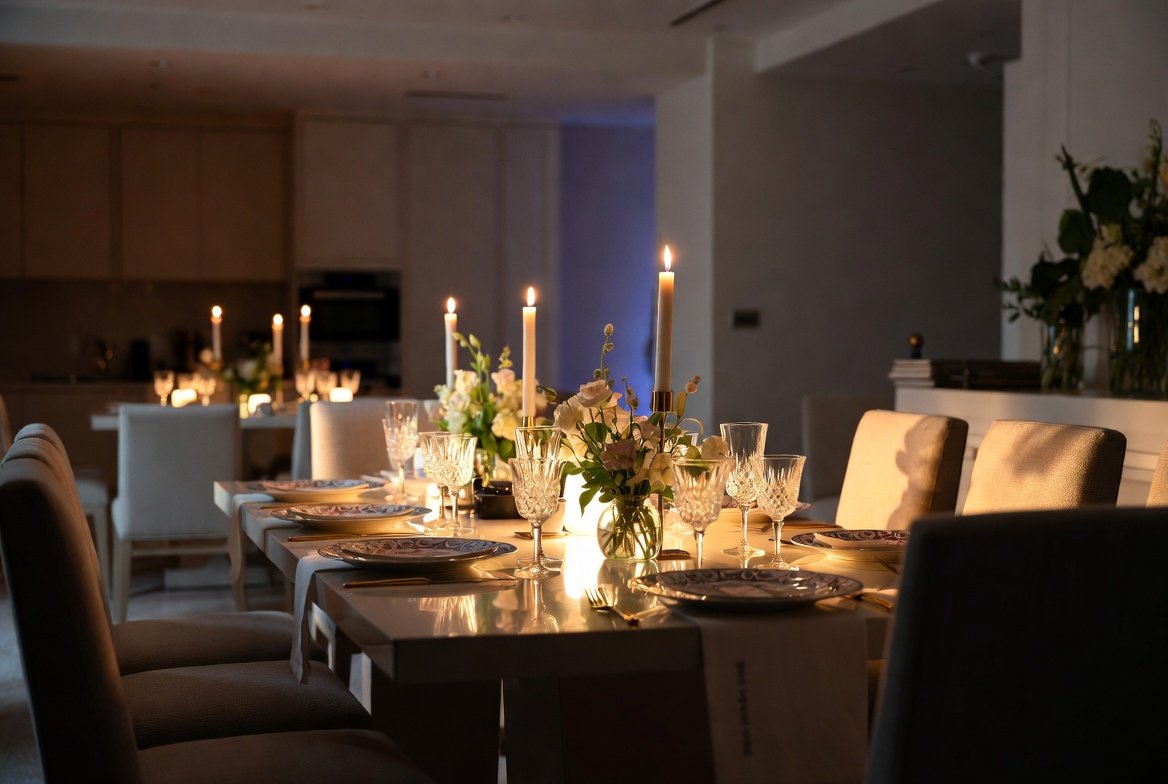
Good hosting is not spontaneous. It is the product of invisible preparation that creates conditions for spontaneity. The table is set before anyone arrives. The temperature is right. There are enough places to sit comfortably. The lighting is warm but sufficient. Drinks are available without the guest having to ask.
These are not details. They are the infrastructure. When the infrastructure is solid, the host is free to be present rather than operational. They can listen. They can introduce people who should meet. They can notice when a conversation is flagging and redirect it with a question or a story.
The families that host well have usually inherited or developed a hosting rhythm. They know how their home operates for six, for twelve, for twenty. They have preferred menus that work. They have service sequences that the household knows. None of this is visible. All of it is essential.

Seating, Introductions, and the Invisible Choreography
Seating is perhaps the single most underestimated element of hosting. At a dinner of eight, who sits next to whom will determine whether the evening generates connection or polite endurance. Getting it wrong produces an evening of parallel monologues. Getting it right produces the kind of conversation that guests reference weeks later.
The basic principles are well known in diplomatic and institutional hospitality. Separate couples. Alternate temperaments. Place a strong conversationalist next to a quieter guest. Avoid seating people beside someone they already know well, because the goal of hosting is to create new connections, not to confirm existing ones.
Introductions matter equally. Not the names. The bridge. Telling a guest, this is Meera, she recently worked on something that connects to what you were describing last month, is infinitely more useful than, this is Meera, she works in policy. The bridge gives both people a reason to begin.
The Ending Matters More Than the Beginning
Most hosting advice focuses on arrivals: the welcome, the first drink, the first impression. But the quality of an evening is often determined by how it closes. An evening that drifts into awkwardness because nobody knows when to leave is an evening that ends badly regardless of how well it began.
Good hosts manage the transition with the same restraint they apply to everything else. A shift in the room, perhaps moving from the dining table to a sitting area for coffee. A signal in tone, slightly quieter, slightly warmer. A natural pause that allows the first guest to suggest departure without feeling premature.
The host does not announce the ending. They create the conditions for it. And the best compliment a host can receive is the guest who says, the evening went so quickly.
Ayrelis: Hosting Protocols & Salon DesignAyrelis trains the discipline of restrained hospitality through practical hosting frameworks, salon-format seminars, and private advisory for household leaders who host at scale. Effortless evenings require invisible preparation. Ayrelis teaches both. Visit ayrelis.com |