Wardrobes That Outlive Trends: Dressing for Decades, Not Seasons
The discipline of personal presentation in environments where restraint signals authority
The Outfit Nobody Remembers (and Why That Is the Point)
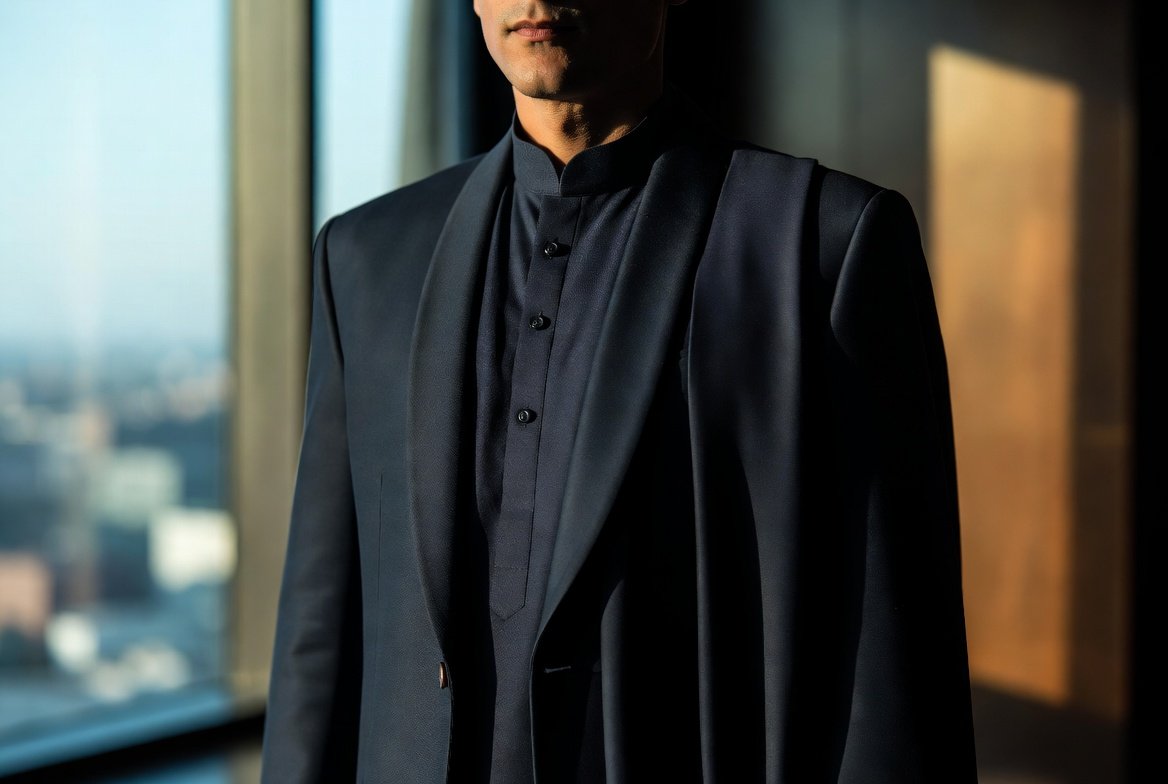
There is a category of professional dress that achieves something rare. It is appropriate for the setting. It is clearly considered. It communicates care without drawing attention. And the next day, nobody can describe what the person was wearing. They remember only that the person looked right.
This is the highest standard of dressing in institutional and elite social environments. Not fashion. Not display. A visual coherence so well calibrated that it becomes invisible. The clothes serve the person rather than competing with them.
Reaching this standard is harder than it appears. It requires understanding not just what looks good but what looks appropriate across different contexts, climates, and occasions, without restarting the wardrobe each season.

The Problem with Following Fashion at Senior Levels
Fashion is designed to change. That is its economic model. Each season introduces new proportions, new palettes, new silhouettes, and a new set of things that make last season feel dated. For people in their twenties building a personal aesthetic, engaging with fashion is enjoyable and relatively low-risk.
At senior professional and social levels, the calculation changes. The person you are dressing is not experimenting. They are representing. They represent an institution, a family, a household, a professional standing. And in that context, being visibly on-trend is less useful than being visibly consistent.
The diplomat who wears the same cut of suit across five years is not behind. They are legible. The homemaker who has a defined colour palette for hosting is not uncreative. She is composed. The executive who rotates six well-fitted shirts rather than chasing novelty is not boring. He is demonstrating the kind of editorial discipline that senior environments reward.
Building a Wardrobe That Endures
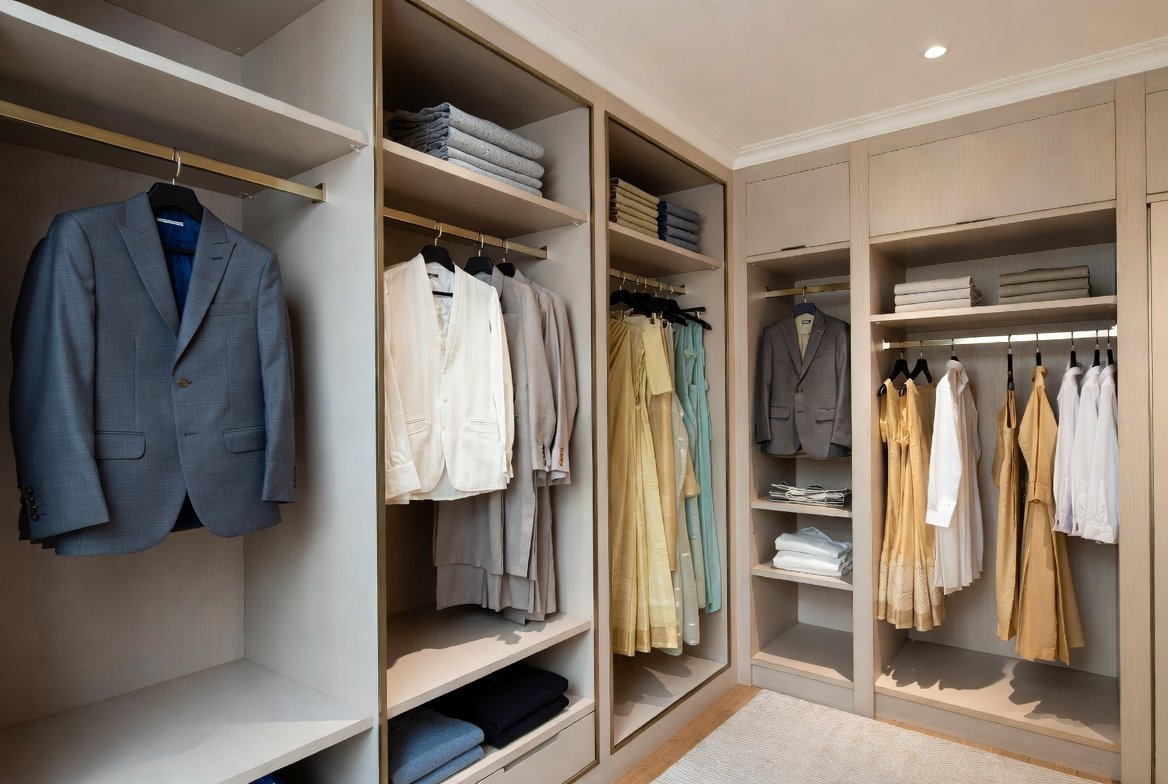
The practical framework is straightforward, even if the execution takes time. A durable wardrobe at this level consists of three layers.
The foundation layer is the set of garments worn most frequently. Suits, sarees, kurta sets, or whatever the cultural and professional default requires. These should be excellent in quality, conservative in cut, and replaced infrequently. They should not date because they were never trend-driven to begin with.
The occasion layer covers events, hosting, weddings, and formal ceremonies. These pieces can carry more personality, but should still align with a defined colour palette and aesthetic sensibility. Buying one exceptional piece per year is more effective than buying several adequate ones per season.
The detail layer is where subtle individuality lives. A particular watch. A style of cufflink or earring. A preferred knot or draping technique. These details become identifiers over time, part of how the room recognises you.
Tailoring, Fabric, and the Economics of Quality
At every price point, the single intervention that most improves personal presentation is tailoring. A garment that fits the body precisely looks more expensive and more intentional than one that does not, regardless of its origin.
Fabric quality matters more than brand origin. A well-chosen linen, a reliable cotton-silk blend, a wool that drapes without wrinkling, these are practical decisions that compound over years. They reduce the need for frequent replacement. They travel better. They photograph consistently.
The economics of dressing well over a decade favour quality decisively over quantity. Twenty well-chosen garments that last five years cost less and look better than a hundred trend-responsive pieces that lose relevance in twelve months. This is simple arithmetic, but it requires a shift in orientation from shopping as activity to dressing as discipline.

The Signal That Clothing Sends in Quiet Rooms
In environments where status is assumed and display is discouraged, clothing communicates through subtraction. What you chose not to wear matters as much as what you chose to wear. The absence of visible branding. The absence of aggressive colour. The absence of novelty.
This is not austerity. It is restraint. And restraint, in quiet rooms, is interpreted as a marker of belonging. The person who is dressed appropriately without effort is, in the eyes of the room, a person whose attention is on the substance rather than the surface.
That is the standard Ayrelis teaches. Not what to buy. What to become through how you dress.
Ayrelis: Wardrobe Strategy & Personal PresentationAyrelis provides wardrobe architecture frameworks for professionals and household leaders who want clothing to work for them rather than against them. Defined palettes, tailoring networks, and seasonal reviews. Dressing is a discipline. Ayrelis structures it. Visit ayrelis.com |